
Planning for stronger services, lasting connection and accountable growth.
Strategic, Introspective and Comprehensive
Our 2023–2027 strategic plan sets a direction for treatment, housing, Outreach and family support. By the end of 2027, Fresh Start aims to be a leading choice for addiction treatment and co-occurring concerns in Alberta, with an active recovery community that includes individuals, families and alumni.
Fresh Start Recovery’s mission is to provide relationship-based addiction treatment and ongoing support by meeting individuals where they are and walking with them through recovery, helping them rebuild their lives, reconnect with family, and stay engaged in a community that sustains recovery.
The plan draws on reviews with our Board, staff, clients and community partners. The priorities below describe the work we are pursuing. Our annual report records the progress completed each year.
Our plan has three connected areas: organizational and operational development; program quality and stakeholder engagement; and IT infrastructure and compliance. Select an area below to see priorities for Treatment, Outreach, Recovery-Oriented Housing and the Family and Friends Healing Initiative.

Reliable operations support reliable care. We are strengthening staffing, training, facilities and funding so individuals and families can move between services with clear information and consistent support.
Organizational development
- Improve operations and service coordination across our three facilities.
- Plan for sustainable funding and responsible growth.
- Review performance with staff, clients and community partners.
People and leadership
- Support staff training, professional development and retention.
- Build leadership capacity and clear responsibilities.
- Bring professional knowledge and lived experience together in our work.
Goals, Strategies and Outcomes for our Programs:
These priorities guide our work across the continuum of care. We review progress through service activity, participant feedback and the experience of individuals, families and staff.
Outreach
Providing Connection with People at Every Stage of Recovery
Outreach helps people stay connected as they return to daily life after treatment. Our operational priorities focus on access, practical support and coordination with community services.
Priorities
- Make it easier to reach an Outreach Peer Support Worker.
- Strengthen links with housing, employment, health and community services.
- Provide clear information about addiction and continuing recovery support.
- Support alumni and peer involvement, and use service data to improve access.
Progress over time
- Short term: Improve referrals, staff training and information for clients.
- Intermediate: Grow partnerships and keep people connected to recovery support.
- Long term: Maintain accessible Outreach and use what we learn to inform services and policy.



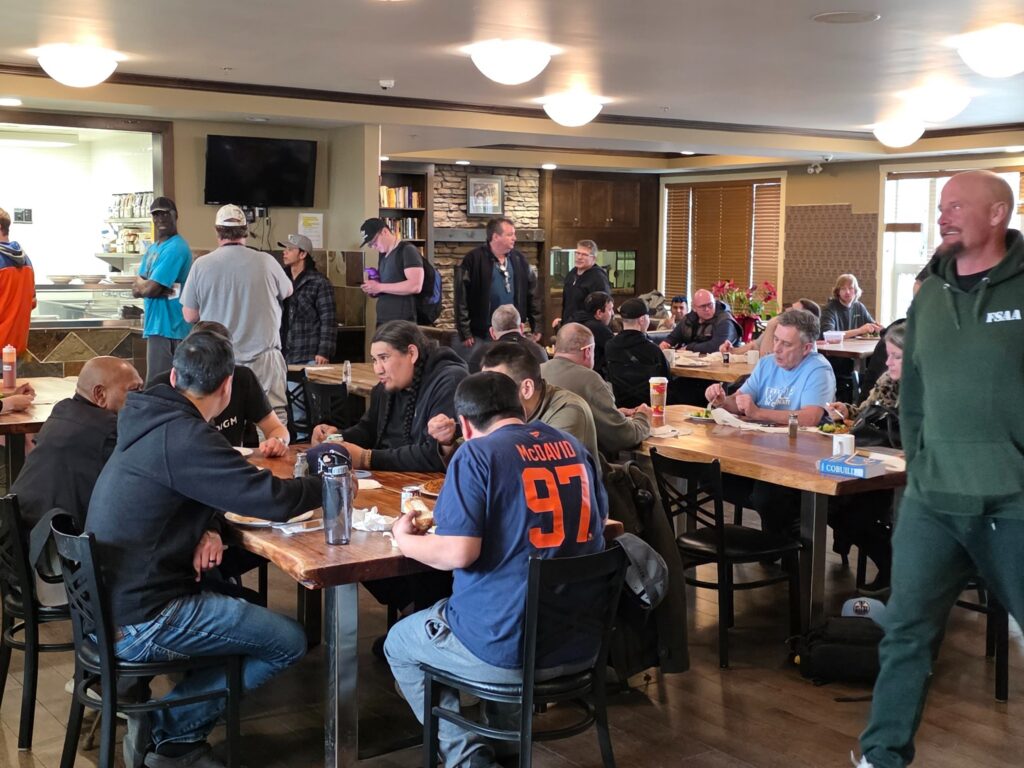
Treatment Program
Providing a Strong Foundation for Recovery
Treatment combines professional care, lived experience and community support. Our priorities focus on a clear intake process, participation through the program and a supported transition after treatment.
Priorities
- Improve intake and individual treatment planning.
- Connect counselling, 12-step work, peer support and physical wellbeing.
- Involve family support where appropriate.
- Plan for housing, employment, education and continuing support before treatment ends.
Progress over time
- Short term: Strengthen staff training and communication with clients and families.
- Intermediate: Improve participation and coordination with community partners.
- Long term: Sustain effective treatment and strong connections with alumni and ongoing services.
Recovery-Oriented Housing
Providing Safe Space for the Next Steps
Recovery-Oriented Housing in Calgary and Lethbridge provides a stable, abstinent setting where individuals can continue recovery while preparing for independent living.
Priorities
- Increase access to safe, supportive housing.
- Connect residents with Outreach, peer support and case management.
- Work with housing authorities and community partners.
- Support employment, education, life skills and fair access to housing.
Progress over time
- Short term: Improve intake, transition planning and housing partnerships.
- Intermediate: Help residents maintain stability and build independence.
- Long term: Expand sustainable housing options and support policies that improve access.



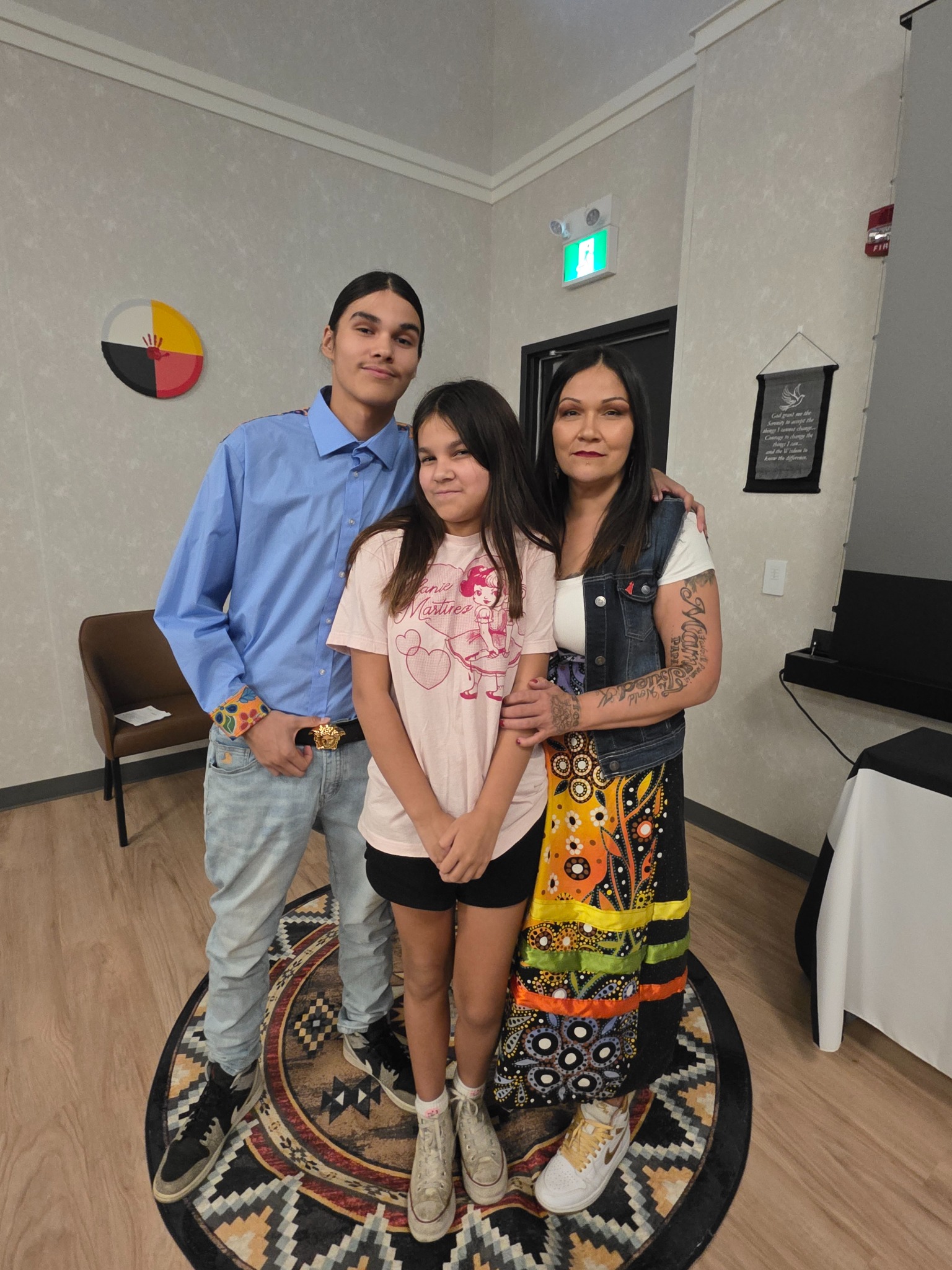
Family and Friends Healing Initiative
Providing an Opportunity to Heal Together
The Family and Friends Healing Initiative supports people affected by someone else’s substance use. Our priorities focus on accessible education, healthy boundaries and continued connection.
Priorities
- Make family support easier to access.
- Provide education about addiction, communication and boundaries.
- Support peer connections and appropriate communication with treatment teams.
- Review participation and feedback to improve the program.
Progress over time
- Short term: Provide clear information, structured sessions and staff training.
- Intermediate: Increase participation and help families build practical coping skills.
- Long term: Maintain lasting family support networks and sustainable access to services.
Program quality depends on listening, reviewing results and improving care. We work with clients, families, healthcare providers and community partners, while building respectful relationships with Indigenous peoples and communities.
Program development and quality
- Review services against client needs, evidence and participant feedback.
- Improve coordination across the continuum of care.
- Maintain effective practices while responding to changes in Alberta’s recovery system.
Community engagement and advocacy
- Increase understanding of addiction and recovery.
- Strengthen relationships with government, healthcare providers and community organizations.
- Share service experience to inform policy and responsible investment.
Indigenous reconciliation
- Listen and learn through respectful relationships with Indigenous leaders and organizations.
- Improve cultural understanding and responsiveness in our services.
- Review barriers to access with the communities affected.

Goals, Strategies and Outcomes for our Programs:
These priorities guide our work across the continuum of care. We review progress through service activity, participant feedback and the experience of individuals, families and staff.

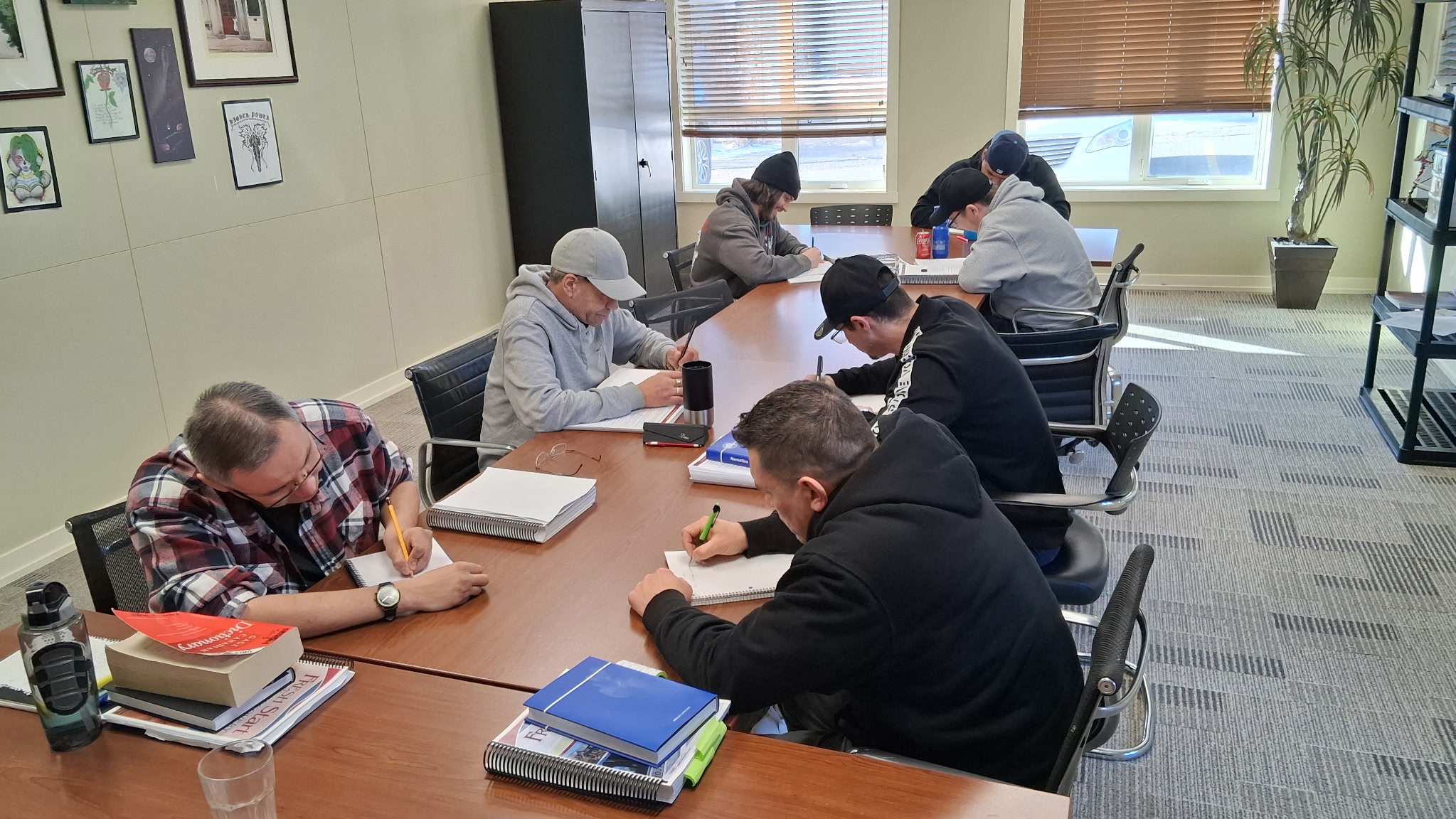
Family and Friends Healing Initiative
Providing Support for Loved Ones Through Recovery
Families and friends need support in their own right. We review the Healing Initiative so its education, group discussions and continuing connections respond to the people taking part.
Priorities
- Improve access and clear information about available support.
- Teach practical communication, boundaries and self-care.
- Listen to participants and review program feedback.
- Build community partnerships that help families find additional resources.
Progress over time
- Short term: Strengthen resources and participant feedback.
- Intermediate: Improve participation and continued peer connection.
- Long term: Maintain responsive family support through lasting community partnerships.
Outreach
Providing & Building Stronger Communities
Outreach quality depends on trusted relationships and useful support. We aim to reduce barriers and coordinate services around each person’s needs.
Priorities
- Review client feedback and service activity.
- Strengthen referrals and relationships with community partners.
- Improve access for Indigenous peoples and underserved communities.
- Share clear information that reduces stigma and supports informed choices.
Progress over time
- Short term: Improve education, referral information and staff training.
- Intermediate: Strengthen participation and coordination across services.
- Long term: Maintain a responsive Outreach service and use evidence to inform improvement.


Treatment Program
Providing High-Quality, Personalized Recovery Support
We review treatment through professional knowledge, lived experience, research and direct feedback. Quality improvement focuses on effective care and continuing support after treatment.
Priorities
- Review treatment participation, completions and participant feedback.
- Support staff training in trauma-informed care.
- Coordinate mental health and community referrals when needed.
- Improve cultural responsiveness and transitions into housing and Outreach.
Progress over time
- Short term: Strengthen review processes and staff learning.
- Intermediate: Use results and feedback to refine care and service coordination.
- Long term: Sustain accountable, accessible treatment with a connected recovery community.
Recovery-Oriented Housing
A Safe & Supportive Step Toward Independence
A stable home supports the transition from treatment to independent living. Housing quality includes safety, clear expectations, peer support and practical help with daily life.
Priorities
- Improve transitions from treatment into housing.
- Connect residents with Outreach and community resources.
- Support employment, education and life skills.
- Review resident feedback, housing stability and access.
Progress over time
- Short term: Strengthen intake, transition planning and resident information.
- Intermediate: Build consistent peer support and community partnerships.
- Long term: Maintain sustainable housing that supports growing independence.


Clear information systems and accountable reporting support our work. Our priorities are to improve data quality, protect personal information, support staff and meet reporting obligations as requirements change.
IT and data management
- Improve systems for collecting and reviewing service information.
- Use reliable data to understand treatment and continuing support.
- Protect information and train staff in secure, appropriate use of systems.
Compliance and accountability
- Review reporting practices and government contracting requirements.
- Keep procedures current as requirements change.
- Provide clear, accurate information to the Board, funders and community.
Responding to a changing system
- Review new service developments and their effect on access.
- Strengthen processes as operational demands change.
- Maintain clear communication with partners, funders and the community.
Goals, Strategies and Outcomes for our Programs:
These priorities guide our work across the continuum of care. We review progress through service activity, participant feedback and the experience of individuals, families and staff.
Recovery-Oriented Housing
Providing Technology to Support Stability
Our housing systems priorities support safe, coordinated operations in Calgary and Lethbridge. Improvements will be assessed before being introduced and will protect residents’ personal information.
Priorities
- Improve housing records, transition information and reporting.
- Support staff training and appropriate access to information.
- Simplify financial and maintenance records.
- Use feedback and housing activity to plan improvements.
Progress over time
- Short term: Review current systems and staff needs.
- Intermediate: Introduce practical improvements and evaluate their use.
- Long term: Maintain secure, reliable information that supports housing quality and planning.




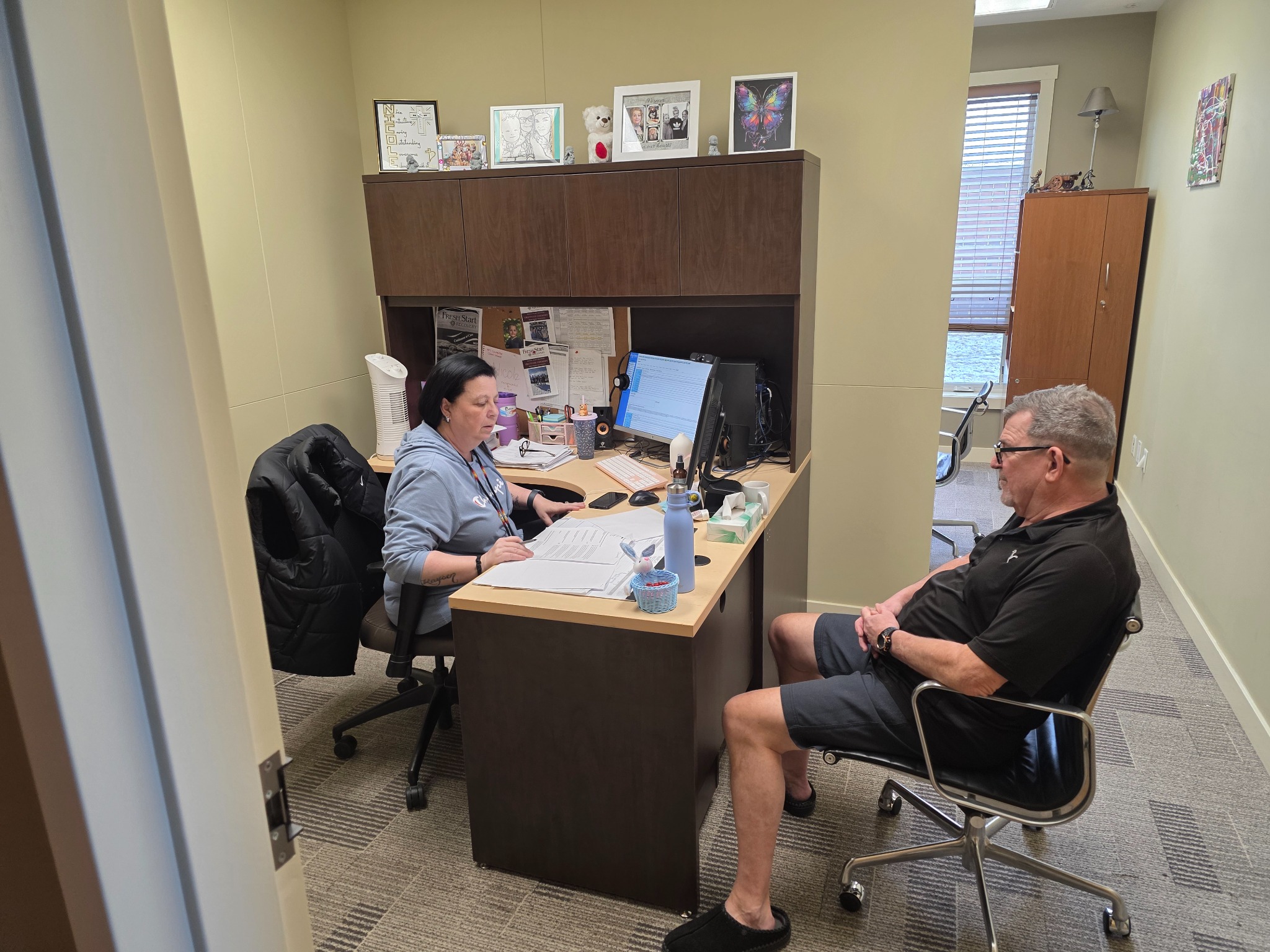
Family and Friends Healing Initiative
Providing Supports into the Digital Age
Digital resources can help families find information and stay connected. These are development priorities, with accessibility, privacy and the needs of participants guiding any new tools.
Priorities
- Review options for online education and remote participation.
- Improve registration information and session reminders.
- Protect participant information.
- Train staff and assess whether new resources improve access.
Progress over time
- Short term: Review participant needs and available tools.
- Intermediate: Pilot suitable resources and learn from feedback.
- Long term: Maintain accessible, reliable family information and support.
Outreach
Providing Digital Engagement & Breaking Stigma
Outreach technology priorities focus on making support easier to find and helping staff coordinate care. Personal relationships remain central to the service.
Priorities
- Improve online information and routes to contact the team.
- Support staff use of service records and referral information.
- Protect client information and review accessibility.
- Evaluate digital resources with clients and community partners.
Progress over time
- Short term: Review current information, systems and staff training.
- Intermediate: Introduce useful improvements and assess access and participation.
- Long term: Maintain secure, accessible systems that support continuing connection.




Treatment Program
Providing Technology to Improve Care
Treatment systems priorities focus on reliable records, useful feedback and clear communication. Proposed changes will be reviewed for privacy, staff needs and their effect on care.
Priorities
- Improve consistency in treatment records and reporting.
- Review client management systems and suitable remote support options.
- Train staff in information handling and reporting.
- Use client feedback and outcome data to inform program reviews.
Progress over time
- Short term: Review systems, data quality and training needs.
- Intermediate: Introduce suitable improvements and assess their use.
- Long term: Maintain reliable information and accountable care across our facilities.